
- Views: 83
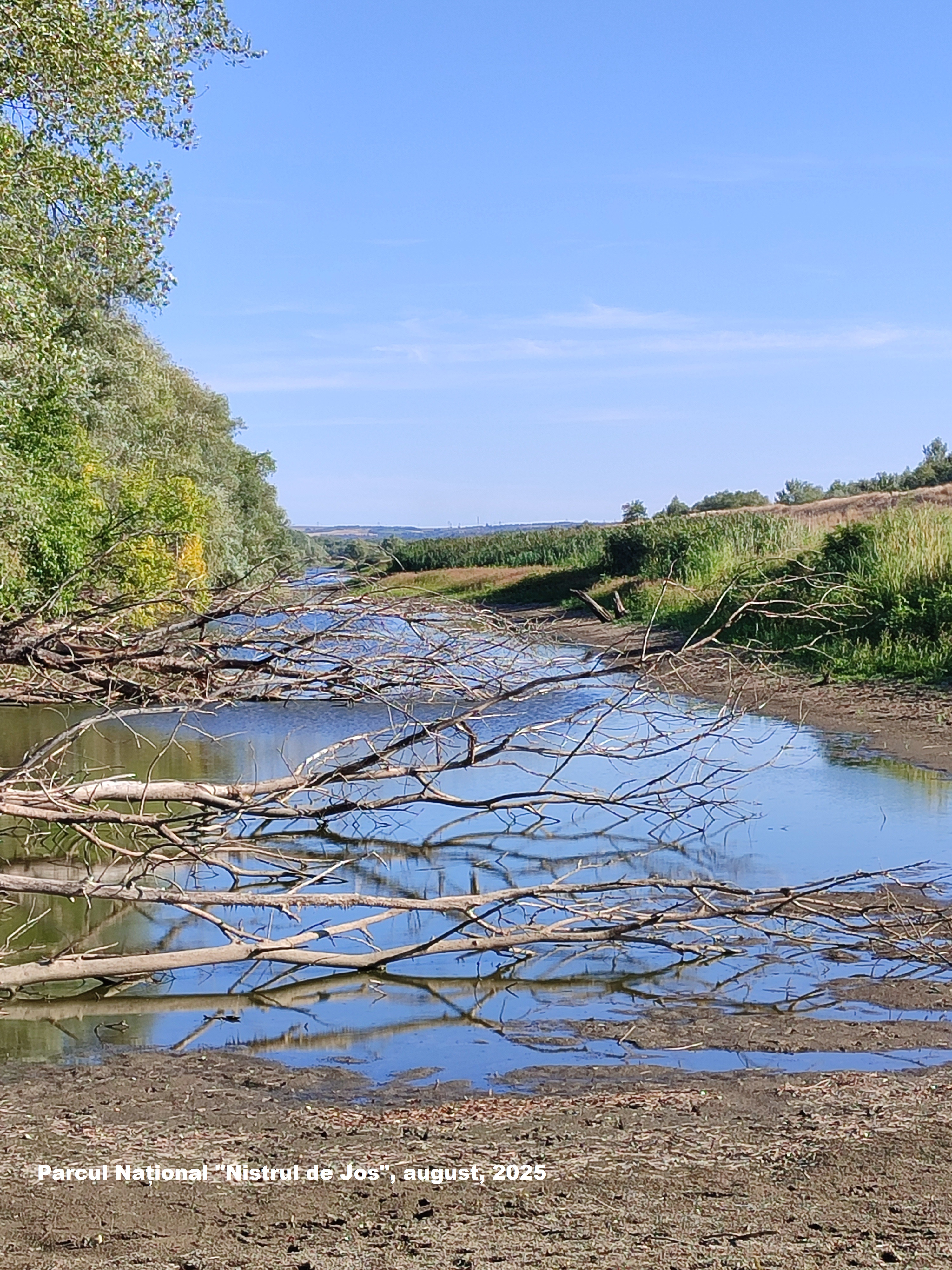
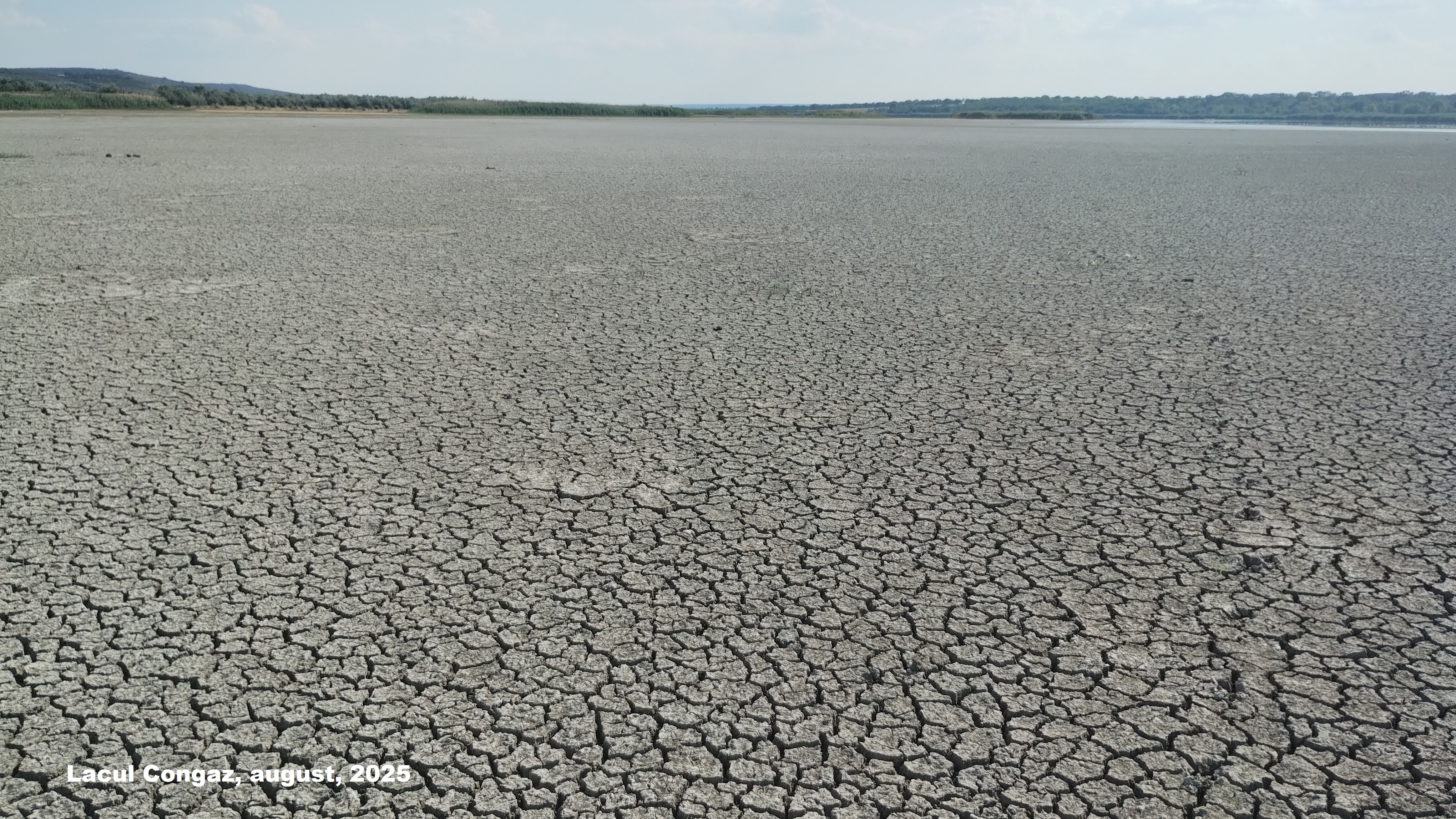
Climate change, land use and pollution, factors increasingly indicated in the environmental impact assessment on biodiversity, act synergistic by disrupting habitats, increasing stress on species, local or regional extinctions, ecosystem degradation, etc., a subject that requires an interdisciplinary scientific approach and the proposal of sustainable adaptation and management measures for species and ecosystems.
Methodological benchmarks for studying biodiversity and assessing the impact of abiotic, biotic and human factors on biodiversity in protected sites, were discussed during the working meeting of the "Terrestrial Vertebrates" Laboratory representatives (Dr.hab., Nistreanu V., Dr., Paladi V., Dr., Glăvan-Caranghel T., Dr., Sochircă N., Dr., Sîtnic V.) from the Institute of Zoology of the Moldova State University (MSU) and the "Natural and Anthropic Ecosystems" Laboratory representatives (Dr., Donica A., Dr., Brașoveanu V., Dr. Ajder V.) from the Institute of Ecology and Geography of MSU.
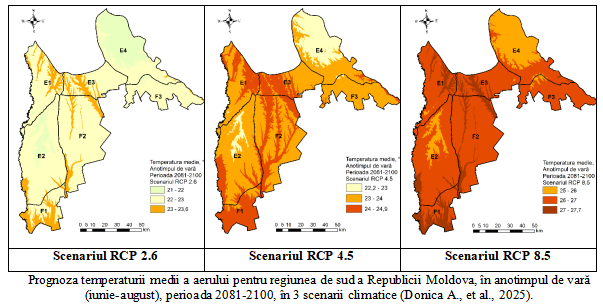
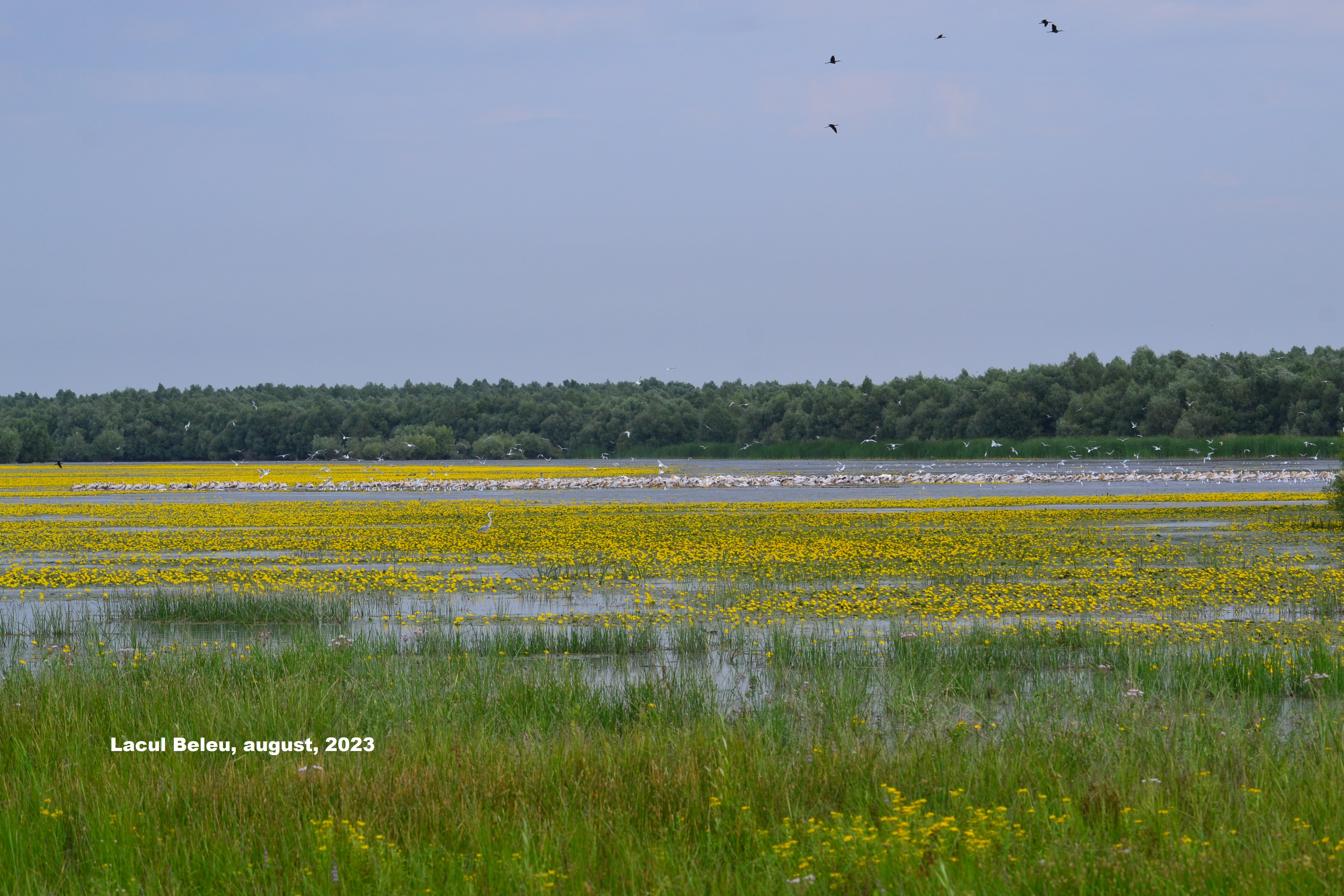
The discussions focused on how climate change, land use, environmental pollution, ecosystem degradation and other human activities influence bird populations and natural habitats in protected sites, belonging to the Emerald Network. Exchange of views and discussions also focused on methodological aspects applied in the analysis of historical data, the application of modern methods of monitoring and spatial modeling, the development of climate scenarios, the climatic indices use, the main pressures and threats systems applied in the field, etc., underlining the importance of cooperation between institutions to prevent habitat degradation and protect rare species, but also opportunities for future collaboration and scientific data join exploitation.
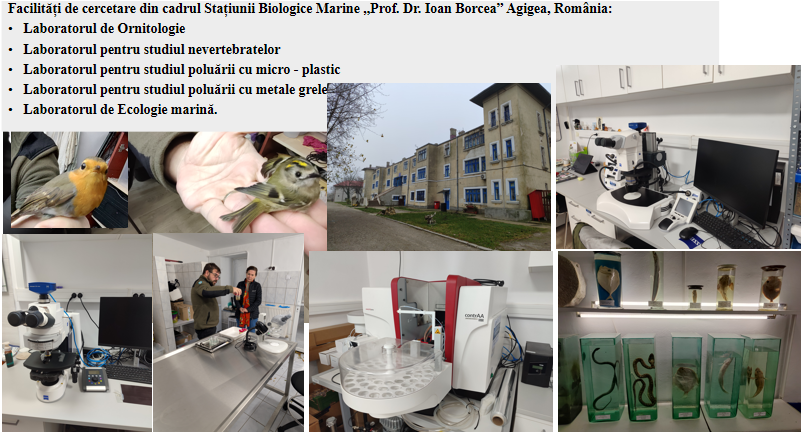
A central point of the meeting was the presentation of the project 25.80013.5107.21ROMD “Cross-border assessment of population trends for bird species as bioindicators in relation to climate change and land use” (CROSSBIRD; 2025–2027). The project aims to provide a clear picture of how the environment is changing and the effects of these transformations on biodiversity, with the contribution of researchers from the “Prof. Dr. Ioan Borcea” Marine Biological Station – Agigea, “Alexandru Ioan Cuza” University of Iași, Romania, the Institute of Zoology of MSU and the Institute of Ecology and Geography of MSU.
This meeting demonstrates the essential role of science in protecting nature and represents an important step in joint efforts to conserve biodiversity at the local/regional level, contributing to achieving the objectives of the EU Biodiversity Strategy 2030 and the Kunming–Montreal Global Biodiversity Framework.
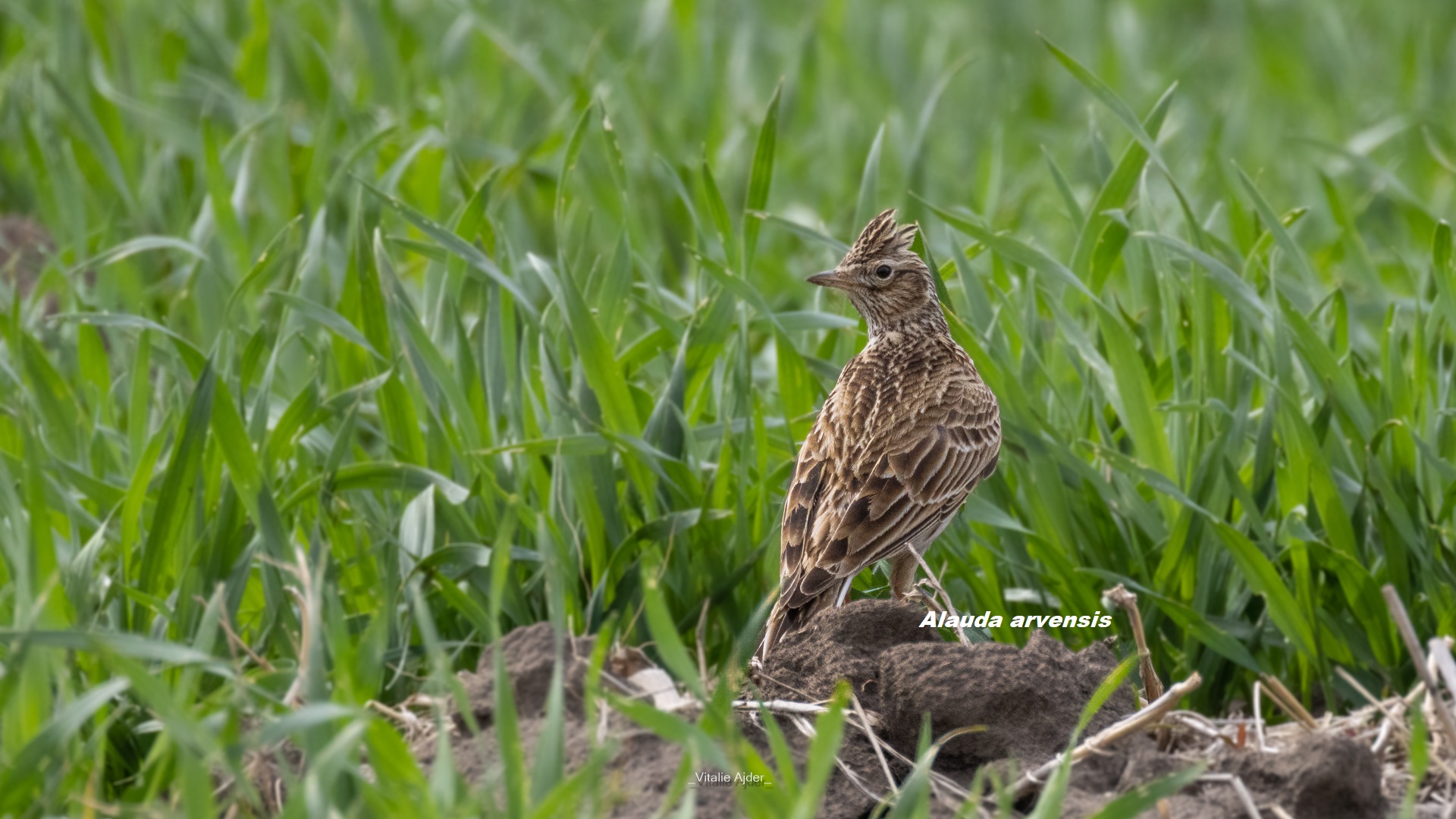
Notes: birds - bioindicators of habitat quality
Alauda arvensis – a species characteristic of grasslands and open areas, frequently used as an indicator of the steppe degradation and agricultural habitats.
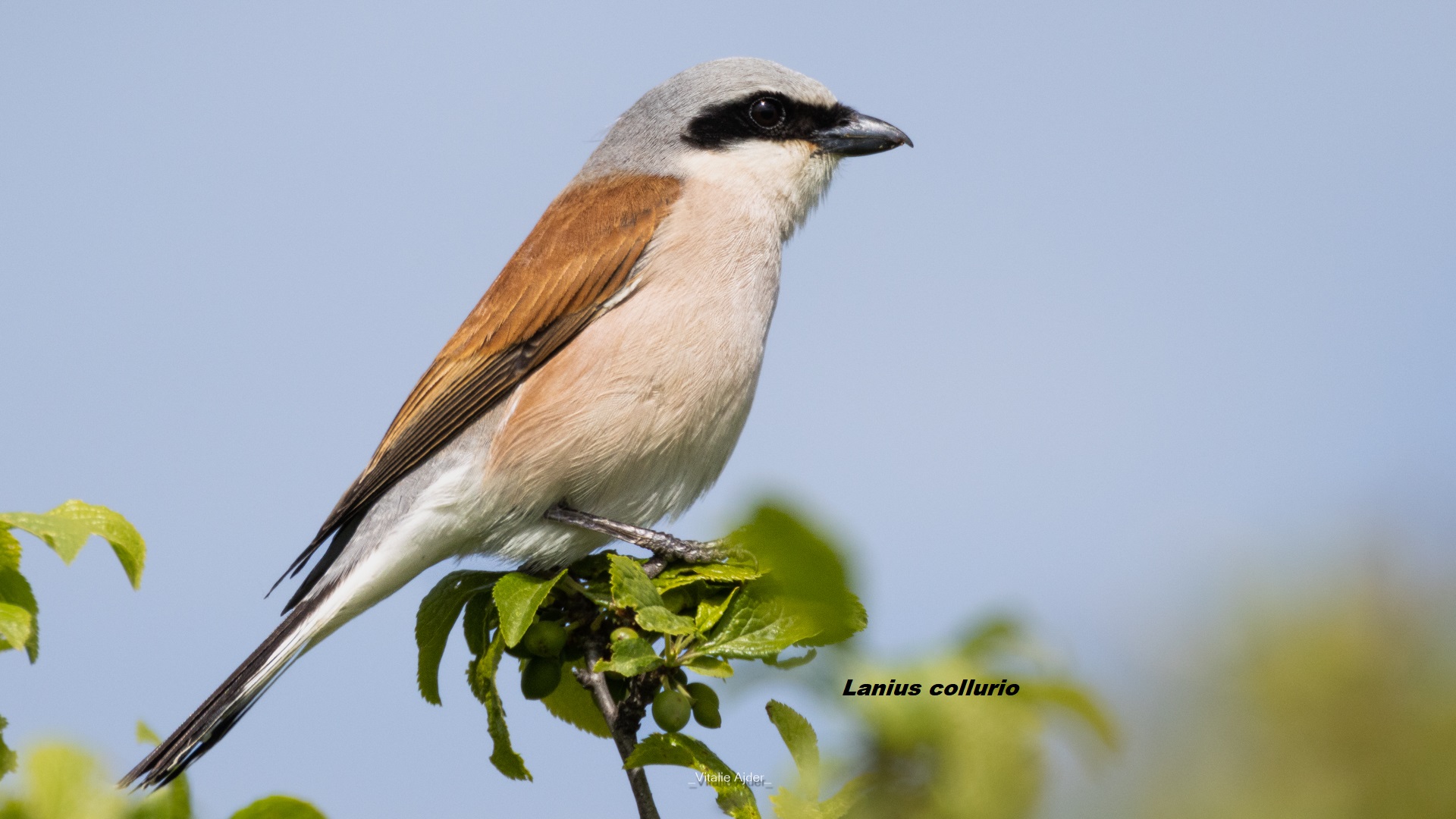
Lanius collurio – a species sensitive to the intensification of agriculture and the rural landscape changes, being a good indicator of human pressures on semi-natural areas.
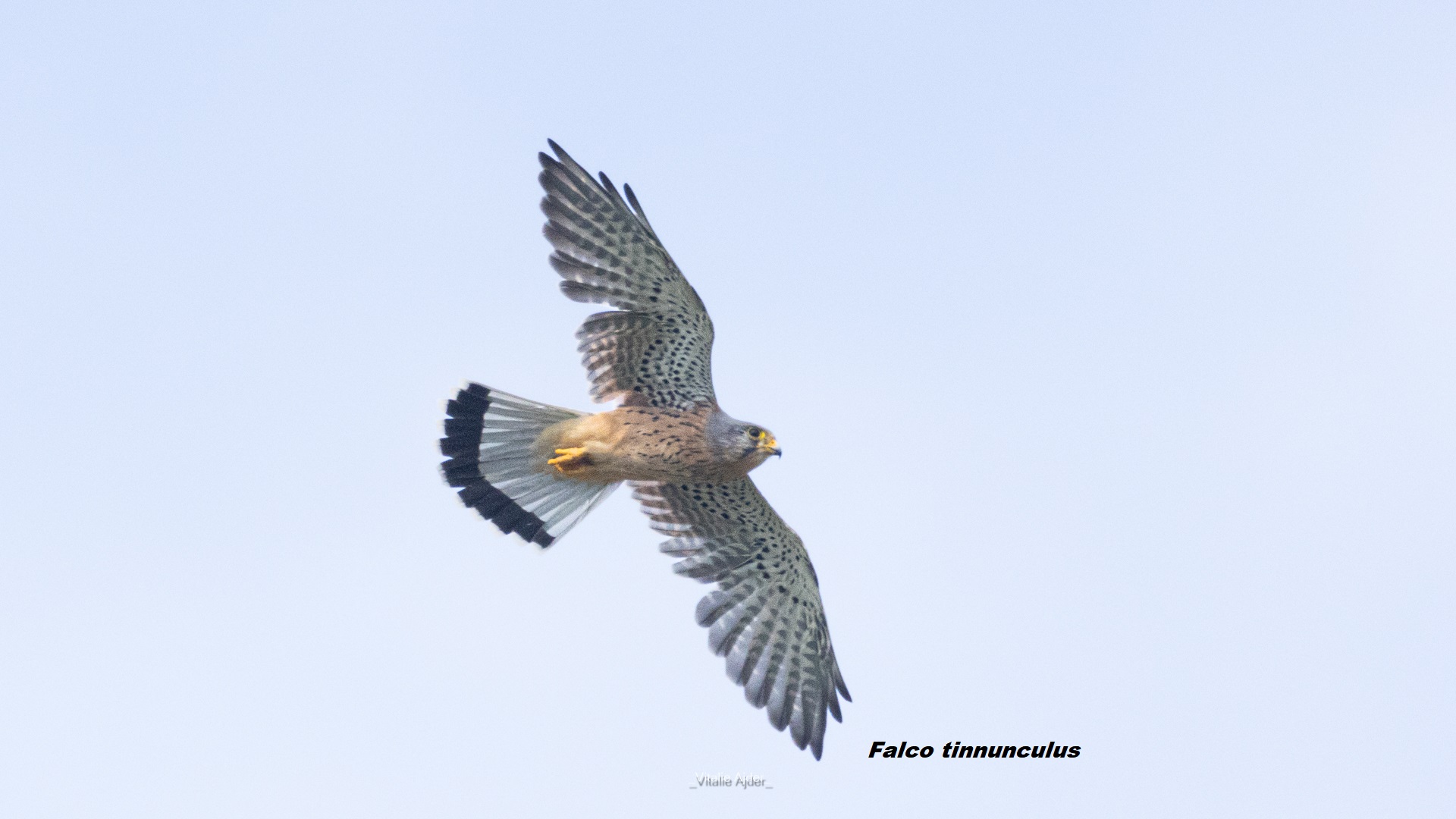
Falco tinnunculus – a common raptor, but vulnerable to land use changes and loss of nesting sites, reflecting changes in open habitats.
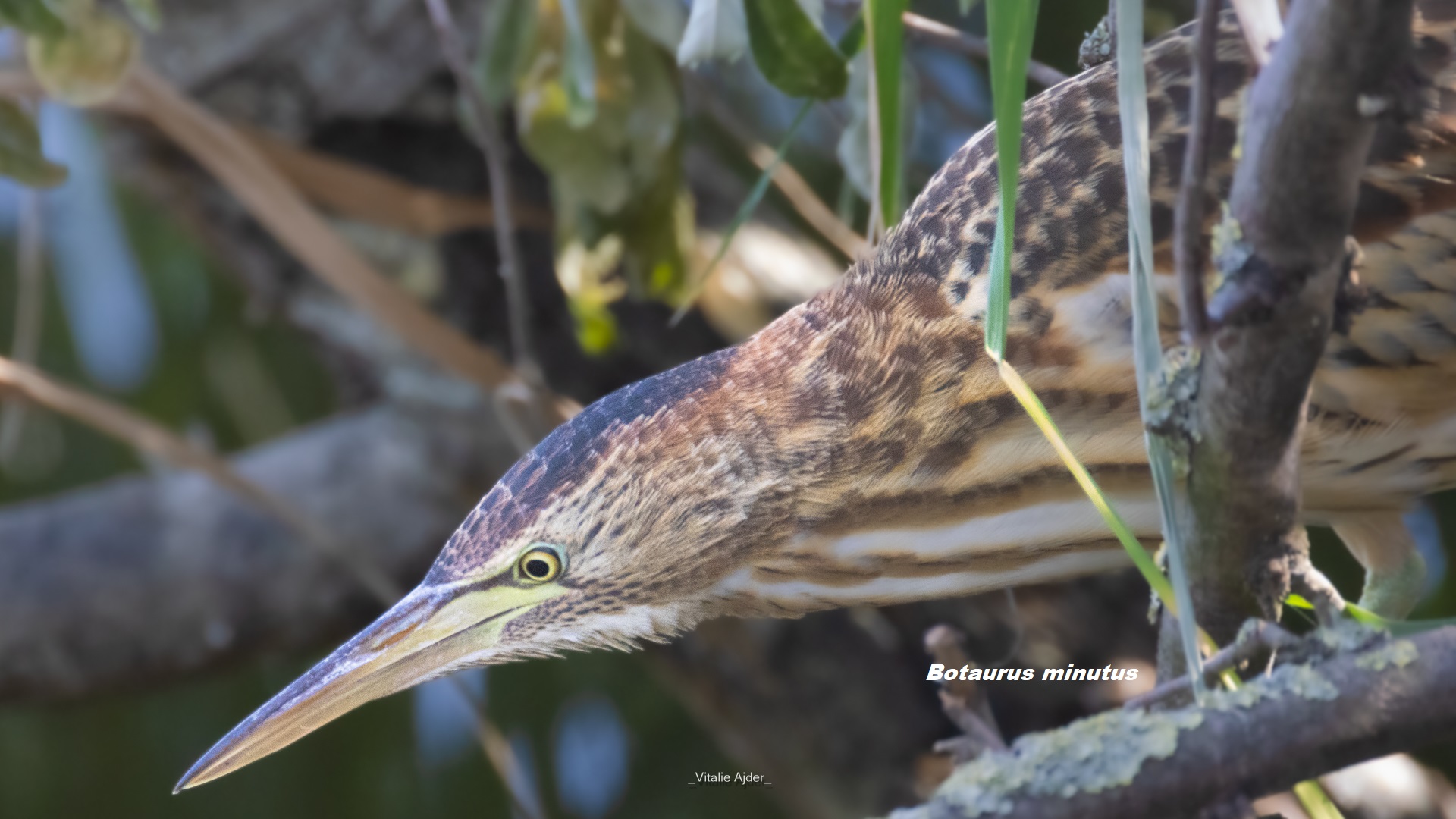
Botaurus minutus – a discrete species, dependent on well-preserved wetlands, used as an indicator of the aquatic habitats degradation and the decline in the wetland ecosystems quality.
Photos by: Ajder V., Nistreanu V., Donica A.